The same ad, in the language you sell in.
Pick the render and the countries. Each one comes back with its own price and its own claims, beside the original.


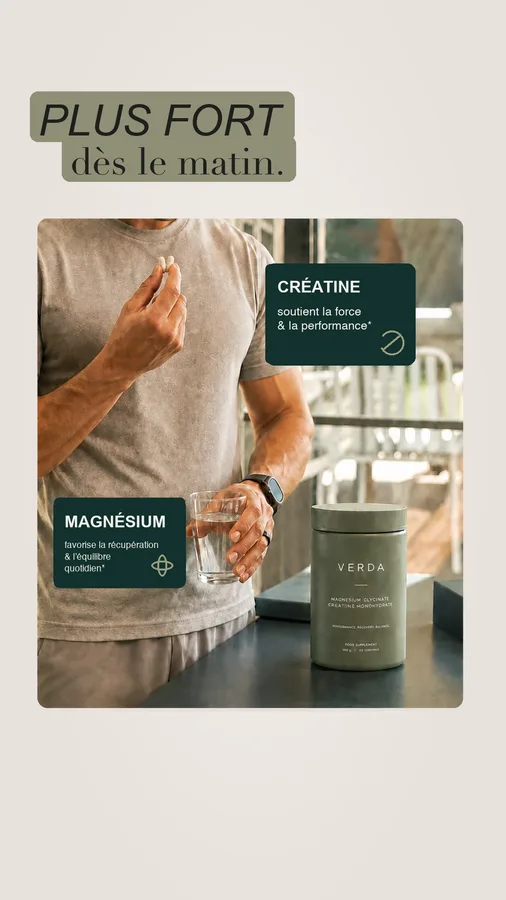
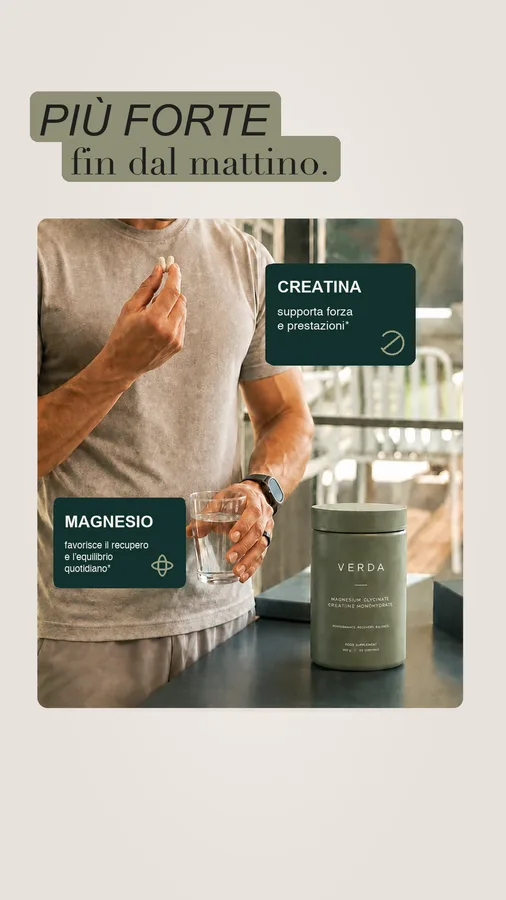

The ad is right. The price on it is not
You have the campaign. It works in English, the picture is approved, and now it has to run in four more countries by Thursday.
What actually changes at the border is small and it is all of it: the language, the price, the offer, the wording you are cleared to use, and the page the ad points at. What does not change is the picture. So the expensive part of a launch is not the design, it is the fact that translating it correctly means holding five sets of facts in your head at once and getting none of them crossed.
That is where a translated campaign goes wrong, and it goes wrong quietly. Nobody notices a German ad quoting a Spanish price in review. A customer notices.
| Going to a new market | Doing it by hand | With Nomi |
|---|---|---|
| The picture | Rebuilt, or exported and re-laid out | Held exactly still |
| The words | Sent to a translator, then refitted | Written again in that language, and the type refitted |
| The price | Copied from a spreadsheet and hoped for | Read from what that market answered, or left out |
| The claims | Whatever the last agency wrote | The ones cleared for that country |
| Four markets | Four jobs | One press, quoted first |
| The English original | Overwritten in some folder | Untouched, beside the four |
The price does not cross the border, and neither does the offer
Six things belong to a country and are never carried over from another: the product's name there, the price, the offer, the claims you may make, the packaging picture for that market, and the page it lands on.
Nomi will not borrow a neighbour's figures to fill a gap. It leaves the gap and asks you, and that refusal is the whole feature rather than a limitation of it. A tool that guesses a price is a tool that puts a number in front of a customer that nobody chose.
A market that has answered nothing yet still gets idiomatic copy, written the way a native copywriter would rather than word for word, and the row says Generic because it cannot know your price there. That label is the honest version of a translation, and it is worth reading before the ad goes live.
A country and a language are two answers, not one
Switzerland can be one market or three. Germany and Austria are two markets sharing one language: the same words, a different price, a different page.
Keeping those apart is what lets one ad be right in both. Ask for the same launch in eight countries and you get eight ads that agree about the brand and disagree about everything that should differ, which is what a local campaign is and what a bulk translation never manages.
Open the ad you approved
Any finished render. The picture is what stays fixed, so this is the version everything else is written from.
Pick the markets
Your markets sit at the top of the list with their flag and the language their ads are written in, and the eight languages Nomi writes in sit under them. Searching Germany, DE or German all find the one row.
Tick as many as you need
Each appears as its own line, removable before you commit. Nothing is spent when you tick.
Render once
One button, and it quotes the total first. Each market is a separate draw, so if some fail to start those stay ticked and pressing again does not pay for the ones that landed.
Everything sits beside the original
A localised ad ships beside the ad it came from rather than replacing it. In the Library the language cuts sit as versions on the same card, so one campaign is one card however many countries it runs in, and in the editor each arrives as its own thumbnail in the version rail.
The English original you approved is still there, unchanged. That is what makes the whole set reviewable in one pass: you are comparing five versions of a thing you already agreed on, rather than trying to remember what the first one looked like.
Nomi writes ads in Dutch, English, French, German, Italian, Polish, Slovenian and Spanish. A market it cannot write in is still listed, greyed out, so you can see what to fix rather than wondering where the row went.
What it will not pretend
It rewrites an ad. It does not buy the media in that country, and it cannot tell you whether a claim clears a regulator's desk.
A price it has not been told is one it will not guess. A market that has answered nothing gets copy without your figures, and the row says so before you render.
A resize and a localisation are two different jobs, and one render can only be one of them. Ask for the shape and the language together and it will hold one back rather than do both badly.
No. The product, the logo, the colours, the photography and the layout are held still. Only the copy is written again, and the type is refitted to the new wording.
No. The brand's own name stays as it is.
The ad is written without one and the row says Generic. Nomi will not borrow the price from a market next door.
Dutch, English, French, German, Italian, Polish, Slovenian and Spanish. A market whose language is outside that list stays visible and greyed out.
Yes, and that is the reason a country and a language are two separate answers. Same words, different price, different landing page.
No. Tick as many as you need and one press renders them all, with the total quoted first. Each market is its own draw.
Nothing. It stays exactly as it was, and the language cuts sit beside it as versions on the same card.
No. It rewrites the copy on a render it made, and an upload has no render to rewrite.