The ads your rivals are still paying for.
Name a competitor. Their live ads arrive with the days each one has been running, and Nomi keeps watching after that.






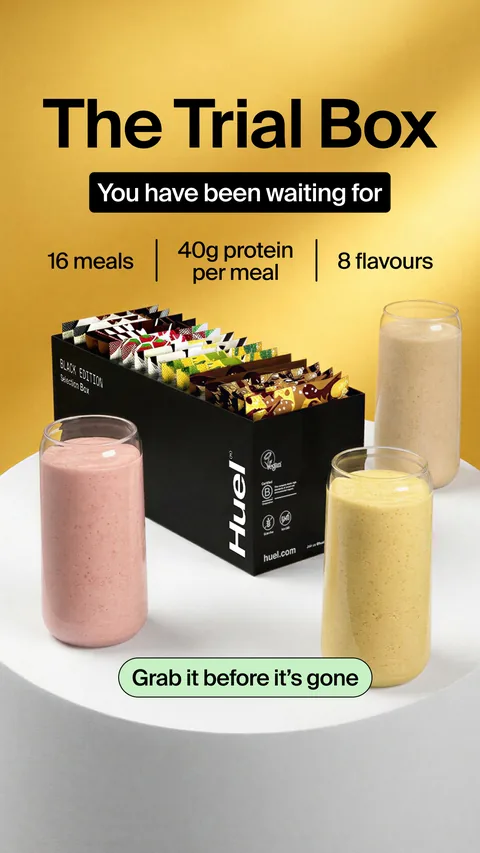

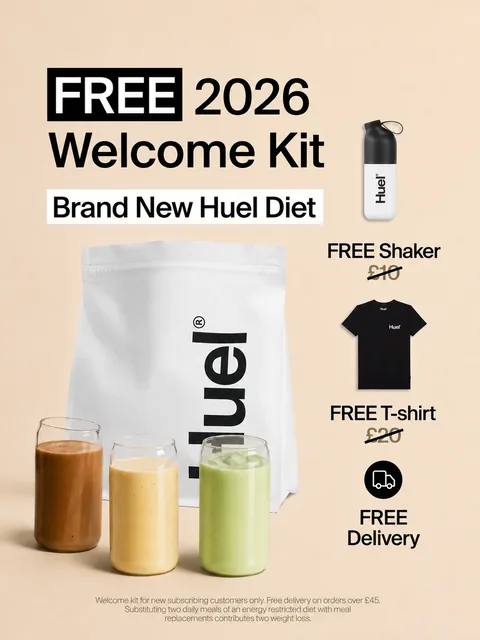
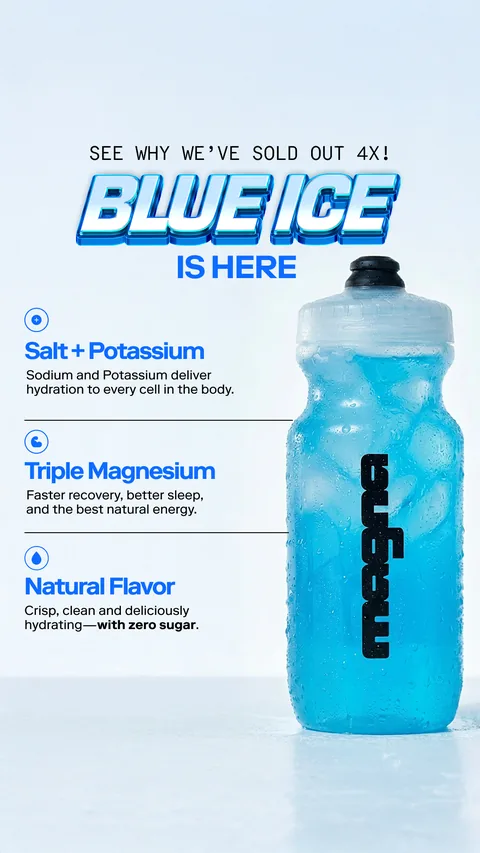

Your ad lands in a room that is already full
Nobody sees your campaign on its own. They see it after four months of scrolling past everything your competitors have been running, and the ad that works is the one that does not sound like the last six.
Most teams find that out afterwards. You write the ad, you launch it, and the reason it went nowhere is sitting in public, in Meta's own Ad Library, where anybody could have read it first. Reading it by hand is the problem: the library is a search box, it forgets you the moment you close it, and an evening of scrolling gives you a feeling rather than a list.
Nomi does that reading and keeps it. Name a competitor once and their live ads arrive with the number of days each one has been running, and they keep arriving after you close the tab.
| The job | Doing it by hand | With Nomi |
|---|---|---|
| Finding what a rival runs | Search Meta's Ad Library, one brand at a time, and read it in the browser | Name the brand once and their live ads land in a grid you keep |
| Knowing what is working | Guess from what looks expensive | Every card says how many days it has been live, and whether it is still up |
| Keeping it current | Do the search again next month | Nomi tops the brand up overnight and marks what is new since your last visit |
| Reading the pattern | Open twenty ads and hold it in your head | The angles, hooks and offers are grouped for you, out of their actual creatives |
| Turning it into work | Retype it into a brief | Press once and a session opens with the brief already written |
The one number nobody can fake
Meta publishes no spend, no clicks and no conversions about anybody's ads. Nobody outside their account has those, whatever a tool implies, and a page that shows you a competitor's performance is showing you a guess.
What Meta does publish is the day an ad started running. An ad still live after ninety days is an ad somebody has chosen to keep paying for, month after month, with their own money. That is a weaker signal than a report from inside their account and it is the only one that is true, so it is the number every card leads with and the number every ranking rests on.
Sort by longest running before you sort by anything else. The ad at the top has survived more budget reviews than anything you are about to write.
What one ad tells you once it is open
Open a card and the creative is there at full size, with how long it has run, how many versions Meta groups with it, the body copy, the placements it runs in, and EU reach where Meta discloses one.
Under that sits Nomi's reading of the same ad, which is the part that saves the evening: who it is aimed at, the desire underneath it, the advantage it claims, the angle, the copy framework, the message it leads with and the emotion it plays. Ask for two more and a model looks at the picture itself, for its visual hook and how expensively it was made.
That is the difference between a swipe file and research. A folder of screenshots tells you what an ad looked like. This tells you what it was trying to do, in the same words you would use to brief the next one.
A rival's page ends in a brief, not a report
Follow a competitor and they get a page of their own. It opens on every ad Nomi holds for them, whatever is new to you first, and the second tab is the reason to go back.
- What has lasted is their ten longest-running ads, which is their answer to the question you are asking.
- What they tested hardest appears only where they run more than one version of something.
- Their widest audience appears only for ads Meta discloses a reach for.
Regroup the same library by opening line, angle, audience, emotion, framework, offer, desire, placement or format, and the six largest groups come back with their oldest ad and whatever marks them out from the rest of that brand's work. Nothing is written unless the numbers carry it, so a thin library says less rather than making something up.
Name the brand
Type it into the search field and pick the company from the list. Nomi fetches their live ads across the markets it covers, and says so when a brand advertises nowhere on that list.
Follow them
One press. The brand gets a page, their ads keep arriving overnight, and their Google ads and TikTok posts start coming in alongside the Meta ones.
Read the pattern
Open the second tab and regroup their library by whatever question you are asking: the angle, the offer, who it targets, the format.
Turn a finding into work
Press Make one like it and a session opens with the brief already written in the composer and the evidence attached. Read it, change what you want, send it. Nothing is spent until you do.
It keeps watching after you close the tab
A search you have to remember to repeat is a search you stop doing in week three. Following is what makes this a standing job rather than an afternoon: Nomi tops each brand up on its own, and anything that arrived since your last visit is marked and sorted to the front.
So checking on your market is a minute on a Monday instead of an evening. A workspace can follow fifty brands, and the pool is shared, so a brand a colleague added is already there for you.
Discovery collects from sixteen countries: the United States, the United Kingdom, Germany, France, Italy, Spain, the Netherlands, Sweden, Poland, Slovenia, Austria, Croatia, Hungary, Slovakia, Serbia and Bosnia and Herzegovina. That list is applied when the ads are fetched rather than as a filter afterwards, so a country outside it is greyed out before you pick it, with the reason on the row.
What it will not tell you
Spend, clicks and conversions. Meta publishes none of them, about any ad, to anybody, and the day count exists because those do not.
Reach is a disclosure figure rather than a score. A large one means the ad was seen, not that it worked.
Google ads and TikTok posts carry no day count, because the dates those platforms publish do not mean days served.
A brand that advertises only outside the sixteen markets has nothing here, and it says so instead of showing you an empty grid.
Meta's own Ad Library, which is public. Nomi fetches a brand's live ads when you name it, and keeps them coming once you follow the brand. Google ads and TikTok posts arrive for brands you follow.
It is the library Meta publishes so that anybody can see who is advertising what. Nomi reads the same pages you can open yourself, and every card links back to Meta's record of that exact ad.
A brand you follow is topped up overnight, and Nomi will not refetch a brand it collected from recently. Anything that arrived since your last visit is marked as new and sorted to the front.
No, and neither can anybody else. Meta publishes no spend, no clicks and no conversions about any advertiser. How long an ad has run is the closest public signal there is, which is why it is the one Nomi leads with.
Then there is nothing here for them yet. Google ads and TikTok posts arrive for brands you follow, without a running count, because the dates those platforms publish do not mean days served.
Yes, and that is the point of holding it here rather than in a folder. The strategist has already read what is running beside you, so a campaign comes back with a reason rather than a style.
Fifty in one workspace. The pool is shared across your team, so a brand somebody else added is already there for you.